
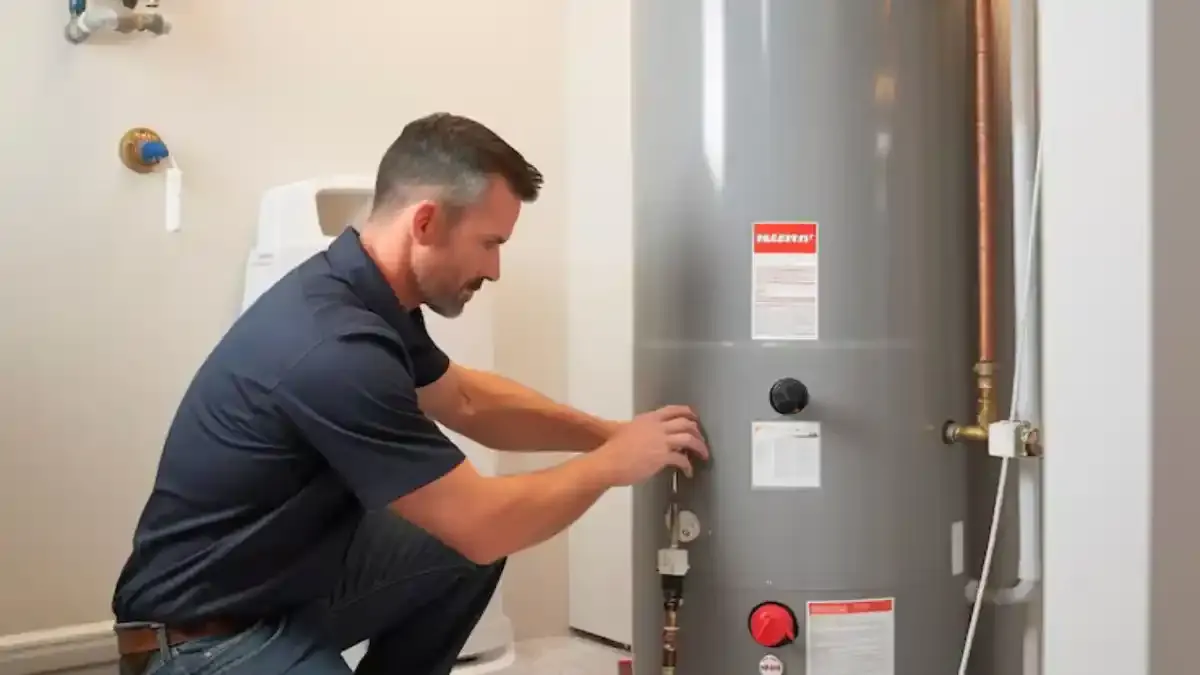
Not every water heater job is an emergency. A landlord renovating a building, a buyer planning a basement update and an owner who wants to switch fuel all need an installation, not a rescue. Planned work gives you time to choose the right unit, the right location and the right schedule, and it is usually a calmer and better-priced way to do it.
We install gas and electric storage heaters, hybrid heat pump models and tankless units in East Orange homes and multifamily buildings. A good installation starts with a look at the space, the venting and the existing pipes. We confirm what is there before we recommend what goes in.
Planning A New Water Heater Install
A planned install begins with a site visit. We measure the space, note the fuel and venting, check the shutoff valves and look at the condition of the connecting pipes. That visit turns a rough idea into a written scope you can compare and approve.
From there we agree on the unit, the date and the access arrangements. For a rental, that includes notifying tenants of a short water shutoff. A typical swap takes a working day or less, but a fuel change, a new vent or a relocation takes longer, and we say so upfront.
Basement, Closet Or Rooftop: Access In Multifamily Buildings
Where the heater sits decides how the job is done. In East Orange, 38.1 percent of housing units are in buildings of 20 or more units, and 69 percent of occupied homes are rented, so many installs are in shared mechanical spaces. Basements are the most common location, with closets in individual apartments next.
Rooftop and upper-level units are less common but not unheard of in larger buildings. They add hoisting, longer pipe runs and extra coordination with building management. We ask about stairs, elevators and loading access when we scope the job.
| Location | Advantages | Things to plan for |
|---|---|---|
| Basement mechanical room | Space, floor drain nearby, easier venting. | Flood risk in low rooms, stairs for carrying the old tank out. |
| Apartment closet | Short hot water runs to fixtures. | Tight clearances, combustion air, limited access for service. |
| Upper floor or rooftop. | Serves upper units directly. | Hoisting, long vent paths, extra labor and coordination. |
| Shared building room serving many units. | One unit to maintain. | Capacity, recirculation loop and shutoff impact on every tenant. |
Fuel Choices: Gas, Electric Or Heat Pump
Gas heaters recover quickly and are common in older multifamily buildings where a gas line is already present. Electric tanks are simpler to vent and install but depend on panel capacity and the local electric rate. Hybrid heat pump units use less electricity but need space, airflow and a condensate drain.
We help you weigh the options against what your building already has. Fuel conversion changes the scope, so we price it as a separate item. For emergencies where you do not have time to plan, our water heater replacement service handles a same-day swap.
Expansion Tank, Relief Valve And Code Details
Most installs include a temperature and pressure relief valve and a discharge pipe, and many include a thermal expansion tank where the system is closed. What exactly is required in your building and how those items must be installed depend on the code edition in force and on local inspection practice. We confirm the details on site and with the building department, and we do not guess from memory.
That caution applies to venting clearances and gas line sizing too. These are specifics that vary by unit and by building, and a wrong guess is costly. We follow the manufacturer's instructions and the inspector's requirements for your address.
Permit And Licensed Work
New Jersey requires plumbing work to be done by a licensed master plumber or authorized contractor, and the permit application is signed by the licensee. A new water heater installation is not an ordinary maintenance item, so a permit is normally part of the project. Call the East Orange Building Division at 973-266-5320 at City Hall, 44 City Hall Plaza, to confirm what applies to your address.
We handle the paperwork and schedule the inspection as part of a planned job. That protects you at resale, at insurance review and if a tenant or inspector asks who did the work.
Landlords: Hot Water And Heat Season Rules
If you own rental property, hot water is part of your habitability obligations. New Jersey's rule on heat, N.J.A.C. 5:10-14.4, covers the heat season from October 1 to May 15, with at least 68 F during the day and 65 F at night. The Department of Community Affairs tenant bulletin also says hot water should be kept between 120 F and 160 F.
A failed heater in the middle of heat season is a tenant complaint waiting to happen. Replacing an aging unit before it fails, outside of peak cold, is one of the better uses of a planned installation.
What Happens On Installation Day
Installation day starts with a shutoff notice to anyone affected and protection for floors and walls. We drain and remove the old unit if there is one, set the new heater, connect water, gas or electric and the vent, then fill and test. Every joint is checked for leaks before the unit is fired.
At the end we show you the controls, the shutoff valves and the temperature setting. We also leave you with notes on flushing and maintenance, so the next service visit is planned and not a surprise. In a rental, that sheet is useful to hand to the property manager. We also note any items outside the original scope, such as a corroded shutoff valve, and explain them before touching them.
What Installation Costs: The Pricing Factors
We price planned work after a site visit and put the scope in writing. Five items move the number.
Installations Near East Orange
We install water heaters in Orange, Newark, Bloomfield, West Orange and Irvington. If you manage several properties, our commercial plumbing page explains how we handle multi-unit work, and our tankless water heater page covers the on-demand option.
Code And Standards Reference
A water heater install is covered by the plumbing subcode (N.J.A.C. 5:23-3.15), which the state lists as the National Standard Plumbing Code, 2024 New Jersey edition. Water heaters are not named in the ordinary maintenance list in N.J.A.C. 5:23-2.7, so we treat a permit as normally required and confirm with the Building Division.